Posts

Product Review Strategies to Enhance Your Business Growth

Product review is more than just an evaluation—it’s a powerful marketing tool that can drive sales, build trust, and boost your brand’s reputation. For small and medium-sized businesses (SMBs), a well-crafted product review can influence potential buyers by providing authentic insights that help them make informed decisions.

However, to maximize the impact of product reviews, it’s best to rely on your internal team of writers and marketing strategists. Why? Because your internal team understands your brand’s values, voice, and target audience, allowing them to create reviews that are not only informative but also aligned with your overall business strategy. This article explores the essential steps and strategies for crafting product reviews that convert readers into loyal customers.

Why Product Reviews Are Essential for Business Growth

Product reviews serve as a bridge between your brand and potential customers. When crafted with precision and authenticity, they:

  • Build Trust and Credibility: Genuine reviews give customers confidence in their purchasing decisions.
  • Enhance SEO and Visibility: SEO-optimized reviews can improve search engine rankings, driving organic traffic to your site.
  • Drive Conversions and Sales: Reviews that address customer pain points and highlight benefits can lead to higher conversion rates.

By leveraging the expertise of your internal team, you ensure that product reviews not only reflect accurate information but also resonate with your target audience, leading to stronger engagement and increased sales.

Key Elements of an Effective Product Review
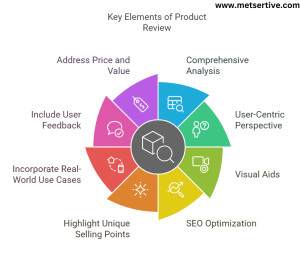
 

Key Elements of Product Review

  1. Comprehensive Analysis

    Provide an in-depth evaluation of the product, covering features, benefits, and potential drawbacks. Your internal team can dig deeper into what sets your product apart and align the review with customer expectations.

  2. User-Centric Perspective

    Write from the user’s viewpoint, addressing common questions and concerns. An internal team familiar with your customer personas can tailor the content to answer the most pressing concerns of your target audience.

  3. Visual Aids

    Incorporate high-quality images or videos to showcase the product, enhancing the reader’s understanding and engagement.

  4. SEO Optimization

    Integrate relevant keywords naturally throughout the review to improve visibility on search engines. Internal writers, with their knowledge of your SEO goals, can ensure that keywords are placed strategically without compromising readability.

  5. Highlight Unique Selling Points (USPs)

    Clearly articulate what makes the product stand out from the competition. An in-house team can emphasize these points effectively, aligning the review with your brand’s positioning.

  6. Incorporate Real-World Use Cases

    Share practical examples of how the product can be used in everyday scenarios.

  7. Include User Feedback

    Feature insights or testimonials from actual users to provide diverse perspectives. This reinforces trust and shows that your product delivers real value.

  8. Address Price and Value

    Discuss the product’s cost in relation to its quality and features. Mention whether it offers good value for money and if there are any promotions, discounts, or bundled deals available.

Steps to Writing a Compelling Product Review
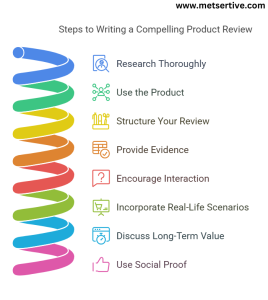
 

Writing a compelling product review

  1. Research Thoroughly

    Gather detailed information about the product, including specifications, user feedback, and comparisons with similar products. Your marketing or your internal team can access insider knowledge and customer data to enrich the review.

  2. Use the Product

    Whenever possible, personally use the product to gain firsthand experience. Marketing or Internal teams have easy access to test and explore the product, enabling them to provide authentic insights.

  3. Structure Your Review

    Organize your review with clear headings and subheadings, making it easy for readers to navigate.

  4. Provide Evidence

    Support your claims with data, testimonials, or expert opinions.

  5. Encourage Interaction

    End with a call-to-action, inviting readers to share their experiences or ask questions.

  6. Incorporate Real-Life Scenarios

    Show how the product can solve specific problems or fit into everyday life.

  7. Discuss Long-Term Value

    Evaluate how the product performs over time. Mention durability, maintenance, and any cost considerations.

  8. Use Social Proof

    Include user testimonials, ratings, or quotes from reputable sources.

  9. Test Across Multiple Scenarios

    If applicable, test the product in various situations or settings to provide a comprehensive assessment.

  10. Provide Practical Buying Tips

    Share additional advice such as where to purchase, tips for getting the best deals, or complementary products.

SEO Best Practices for Product Reviews

  • Keyword Integration

    Identify and incorporate relevant keywords that potential customers might use when searching for product reviews. Tools like Google’s Keyword Planner can assist in this process.

  • Meta Descriptions

    Craft compelling meta descriptions that include the focus keyword to improve click-through rates from search engine results.

  • Internal and External Links

    Include links to related content on your site and reputable external sources to enhance SEO and provide additional value to readers.

Avoiding Common Pitfalls

  1. Bias

    Maintain objectivity to build trust. Disclose any affiliations and provide balanced views.

  2. Overwhelming Jargon

    Use clear and concise language, avoiding technical terms that may confuse readers. Your Marketing team can ensure the tone aligns with your brand voice and is accessible to your audience.

  3. Neglecting Updates

    Regularly update your reviews to reflect any changes in the product or market, ensuring the content remains relevant.

  4. Focusing Solely on Positives

    Avoid creating overly promotional reviews that only highlight the positives.

  5. Ignoring the Target Audience

    Tailor your review to the needs and interests of your target audience.

  6. Failing to Verify Claims

    Avoid relying solely on manufacturer descriptions or marketing materials.

  7. Poor Formatting

    Reviews that are difficult to read can discourage readers.

  8. Neglecting Legal Disclosures

    If you’re an affiliate or received the product for free, disclose this information to maintain transparency.

Conclusion

Product review is a powerful marketing tool that can significantly boost business growth when executed effectively. By leveraging your internal team of writers and marketing strategists, you ensure that product reviews not only capture the essence of your brand but also address the needs of your audience, ultimately driving conversions and building long-term customer trust. When done right, product reviews can position your brand as a trusted authority and pave the way for sustainable growth.

For businesses looking to harness the power of well-crafted product reviews, investing in internal expertise can make all the difference. Start refining your product review strategy today and watch your brand thrive.

Sales Referrals Simplify Lead Generation and Increase Revenue

In today’s hyper-competitive market, businesses are constantly seeking cost-effective ways to grow their client base and increase conversions. Enter sales referrals—a powerful strategy that leverages existing customers and their networks to generate high-quality leads. Studies show that referred customers have a 37% higher retention rate compared to non-referred customers, making this method not just impactful but sustainable​. This article explores what sales referrals are, how to implement a robust referral program, and current trends shaping referral marketing. Let’s unlock the potential of your satisfied customers and turn them into your brand’s most valuable advocates.

What Are Sales Referrals and Why Are They Important?

Understanding Sales Referrals in B2B and B2C Contexts

Sales referrals occur when satisfied customers recommend your product or service to their peers, leading to potential sales opportunities. Unlike cold outreach, referred leads come with built-in trust, as they rely on the recommendation of someone they know.

Why Sales Referrals Work:

  1. Trust Factor: According to Nielsen, 92% of consumers trust recommendations from people they know

  2. Higher Conversion Rates: Leads generated through referrals convert 30% better than leads from other sources​

  3. Cost-Effective Marketing: Referral programs typically require less budget than traditional marketing efforts while delivering a higher ROI.

How to Build an Effective Sales Referral Program


Building Sales Referral Program

  1. . Leverage Your Most Loyal Customers

Identify and target your Net Promoter Score (NPS) promoters—customers who rate your business 9 or 10 on a satisfaction scale. These loyal customers are more likely to refer your services enthusiastically.

  • Use personalized outreach to engage them in the referral program.
  • Create exclusive tiers or “VIP Referral Clubs” for high-value participants to boost their involvement.
    Stat: Research shows that 65% of a company’s business comes from existing customers, underlining the potential of loyal advocates​
  1. Personalize the Referral Experience

Personalization increases the likelihood of successful referrals. Tailor messages based on:

  • Customer purchase history.
  • Referee’s preferences or location.

For example, LinkedIn’s referral programs often use personalized notifications to encourage participation.

  1. Make It Easy for Customers to Share

Simplify the referral process to reduce friction:

  • Provide pre-written templates for emails and social media posts.
  • Include referral options in customer portals or apps.
  • Use referral tools like ReferralCandy or Post Affiliate Pro to automate the program.
  1. Incentivize Referrals to Drive Participation

Offering rewards to both the referrer and the referred party can boost program participation. Incentives may include:

  • Discounts or free products.
  • Monetary rewards (e.g., $50 for every successful referral).
  • Exclusive perks such as early access to new features.

Pro Tip: Use tiered rewards to encourage repeat referrals. For instance, offer higher-value rewards for multiple referrals.

  1. Promote the Program Across Marketing Channels

A referral program’s success depends on visibility. Promote it through:

  • Email campaigns: Include links in post-purchase follow-ups.
  • Social media: Use shareable links and hashtags for easy participation.
  • Website banners: Highlight the referral program prominently on your homepage or thank-you pages.
    According to HubSpot, placing referral program CTAs in key customer touchpoints can increase referrals by 25%
  1. Track and Reward Non-Monetary Contributions

Not every referrer is motivated by cash or discounts. Recognize other contributions such as:

  • Social Media Shares: Reward customers who post about your business online.
  • Event Participation: Engage those who introduce others to your webinars or demos.
    Non-monetary recognition, like shout-outs or featured testimonials, can incentivize more diverse referral activity.
  1. Utilize Automation Tools for Scalability

Automation tools such as ReferralCandy, Yotpo, and Friendbuy make it easy to manage referrals at scale:

  • Track referrer performance in real time.
  • Send automated thank-you emails and reward notifications.
    Insight: A study by Salesforce found that automated referral programs improve participation rates by up to 30%

Recent Trends in Sales Referrals

  1. Digital-First Referral Programs

With the rise of digital tools, many businesses are integrating referral programs into their digital ecosystems. Examples include:

  • Mobile apps that feature one-tap referral options.
  • Referral programs tied to loyalty platforms for seamless integration.
  1. Influencer-Driven Referrals

Collaborating with micro and nano influencers has become a major trend. These influencers combine the authenticity of personal referrals with the reach of social media.

  • Stat: A survey by Mediakix found that 49% of consumers rely on influencer recommendations when making purchasing decisions
  1. Gamification of Referral Programs

Adding game elements to referral programs boosts engagement. Features such as leaderboards, referral milestones, and progress trackers incentivize users to refer more often.

  1. AI-Powered Referral Insights

Artificial Intelligence (AI) is transforming referral programs by offering deeper insights into customer behavior and optimizing program performance.

  • AI tools analyze data to identify customers most likely to refer and personalize referral messaging.
  • Predictive analytics help businesses anticipate referral success rates and ROI.
    Example: Platforms like Yotpo and ReferralCandy use AI to automate referral tracking and reward distribution.

Stat: According to Deloitte, AI adoption in marketing is expected to grow by 27% annually, and referral programs are a key beneficiary​

  1. Mobile-First Referral Strategies

As more people interact with brands via smartphones, referral programs are adapting to prioritize mobile users:

  • App-based referrals: Many businesses are integrating referral options directly into mobile apps with one-click sharing.
  • Text message campaigns: SMS-based referral invitations have a high open rate of 98%, making them a powerful channel for driving participation​

Case Study: Ride-sharing platforms like Uber and Lyft successfully leverage mobile-first referral strategies, offering app-based incentives for both referrers and referees.

  1. Integration with Loyalty Programs

Referral programs are increasingly being tied to loyalty initiatives to create a seamless customer experience.

  • Customers earn loyalty points for successful referrals, which can be redeemed for discounts, free products, or exclusive perks.
  • Integrating referrals into existing loyalty platforms encourages ongoing participation and boosts customer retention.

Stat: Research from Bond Loyalty Report shows that 79% of customers are more likely to participate in a program that combines referrals and loyalty benefits

Common Mistakes to Avoid in Sales Referral Programs

  1. Failing to Target the Right Customers

    The foundation of a successful referral program is selecting the right participants. Targeting disengaged or unenthusiastic customers leads to poor results.

  • Focus on loyal customers with high NPS scores or frequent brand engagement.
  • Use CRM analytics to identify and segment the best candidates for referrals.
    Tip: Use CRM analytics to identify and segment your most likely referrers.
  1. Overcomplicated Processes

    Complex referral processes discourage participation.

  • Keep the program intuitive and user-friendly.
  • Simplify steps like sharing referrals or claiming rewards to minimize friction.
  1. Neglecting Metrics

    Without analyzing performance, you can’t improve your program.

  • Track critical data like referral numbers, conversion rates, and cost per acquisition.
  • Use tools like Google Analytics or referral-specific platforms to monitor result


Mistakes to avoid in Sales Referral

  • 4. Offering Irrelevant Rewards

One size does not fit all when it comes to referral incentives. Offering rewards that don’t resonate with your audience can result in low participation rates.

  • Conduct surveys to understand customer preferences.
  • Consider non-monetary rewards like early access to new products or exclusive experiences.
  • 5. Overlooking Program Promotion

A great referral program won’t succeed if no one knows about it. Many businesses fail to market their program effectively. Ensure you:

  • Promote the program across social media, email campaigns, and in-app notifications.

Include reminders in customer touch points like receipts or thank-you pages.
Stat: 87% of customers are more likely to engage with a program when it’s mentioned at least three times across various channels​

  1. Lack of Follow-Up

    Failing to engage with referrers post-referral can weaken loyalty.

  • Keep participants updated on their rewards status.
  • Send automated thank-you emails or notifications to maintain engagement.

7.Ignoring Referral Program Data

Without tracking performance metrics, it’s impossible to know if your referral program is working. Key metrics include:

  • Number of referrals generated.
  • Conversion rates of referred leads.
  • Cost per referral acquisition.
    Pro Tip: Use platforms like Google Analytics or referral-specific tools to monitor and refine your program.
  1. Neglecting Customer Appreciation

Acknowledge and thank participants promptly. Ignoring referrers after they’ve contributed can discourage future referrals.

  • Automate thank-you emails immediately after a successful referral.
  • Recognize top referrers with public shout-outs or special perks.
    According to Salesforce, 60% of referrers are motivated by public recognition over financial incentives​

Expert Insights on Sales Referrals

  1. Neil Patel on the Importance of Social Proof

Neil Patel emphasizes that “Word-of-mouth is the strongest marketing channel. Referral marketing capitalizes on it by scaling trust.” Learn more from his guide on referral programs

  1. HubSpot on Lead Quality

HubSpot reports that 84% of B2B decision-makers start their buying process with a referral. More insights can be found in their

Conclusion

Sales referrals are a cornerstone of modern marketing, blending trust, affordability, and scalability. By building a thoughtful referral program, incentivizing participation, and leveraging emerging trends like gamification and influencer partnerships, you can transform your customers into powerful brand advocates.

Start today by implementing these strategies and watch your sales pipeline fill with high-quality leads. The potential is limitless when your satisfied customers become your most vocal promoters. Ready to boost conversions? Let referrals lead the way!

Cold Audience Engagement Tactics for SMBs A Step-by-Step Guide

Cold Audience engagement is one of the biggest challenges small and medium businesses (SMBs) face today. A cold audience consists of prospects who have little to no awareness of your brand, making them less likely to convert immediately. However, successfully connecting with this untapped segment is not just an option—it’s essential for achieving sustainable growth. This guide offers actionable strategies to help SMBs transform cold leads into loyal, long-term customers.

What Is a Cold Audience and Why Does It Matter?

A cold audience consists of individuals who are unfamiliar with your brand or products. They’ve never interacted with your business, making them less likely to convert immediately. For SMBs, this audience represents untapped potential. By effectively targeting a cold audience, SMBs can:

  • Expand their market reach beyond their existing customer base.
  • Position their brand in a competitive market, ensuring long-term visibility.

Engaging a cold audience is not just a marketing tactic; it’s a growth strategy.

Understanding the Cold Audience

Who Are They? Characteristics and Behavior

A cold audience typically:

  • Lacks trust or familiarity with your brand.
  • Is likely unaware of their own needs that your product solves.
  • May be skeptical or indifferent when approached initially.

Challenges SMBs Face in Engaging Cold Audiences

Reaching a cold audience requires overcoming several hurdles:

  • Low engagement rates: Campaigns often go unnoticed without the right approach.
  • Budget constraints: SMBs may struggle to allocate enough resources for extensive outreach.
  • Lack of data: Without insights into audience preferences, campaigns may miss the mark.

Why Cold Audiences Are Essential for Business Growth

Expanding Beyond Your Warm Audience

Your warm audience, while valuable, is finite. Targeting cold prospects ensures:

  • A pipeline of new leads, critical for scaling your business.
  • Diversified revenue streams, reducing dependency on existing customers.

Building Brand Awareness in Competitive Markets

Engaging a cold audience helps SMBs stand out by:

  • Establishing brand recall in a crowded marketplace.
  • Positioning their products or services as unique and indispensable.

Strategies for Reaching and Converting a Cold Audience


Engaging Cold Audience

1. Build Awareness Before Selling

  • Use social media ads to craft compelling stories that resonate with potential customers. For instance, platforms like Facebook Ads offer targeting features to reach specific demographics.
  • Optimize for SEO: Rank higher in search results with keyword-rich content. Tools like SEMrush help SMBs identify high-impact keywords.

2. Offer Value First

  • Provide free resources, such as eBooks, templates, or actionable guides.
  • Address pain points clearly, showcasing how your product solves their problems.

3. Use Retargeting Campaigns

  • Retargeting ads on platforms like Google Ads or Meta Ads bring back visitors who didn’t convert initially.
  • Gradually move them down the sales funnel with tailored content.

4. Create Personalized Experiences

  • Segment your audience using CRM tools like HubSpot or Zoho CRM.
  • Personalize emails and ads to align with their interests and behaviors.

5. Leverage Testimonials and Social Proof

  • Share real success stories to build credibility.
  • Highlight reviews and endorsements to foster trust among cold audiences.

6. Host Webinars and Live Q&A Sessions

  • Organize interactive webinars on topics that address your audience’s pain points.
  • Include live Q&A sessions to directly engage with participants, making your brand approachable and trustworthy.

7. Collaborate with Influencers or Partners

  • Partner with micro-influencers or complementary brands to reach a new audience.
  • Influencers can introduce your business to their followers, lending their trust and credibility to your brand.

8. Use Interactive Content

  • Leverage quizzes, polls, or calculators to engage users and encourage interaction.
  • For example, a fitness brand might create a “Find Your Perfect Workout” quiz to capture interest while educating the audience.

Tools and Platforms SMBs Can Use to Engage Cold Audiences

  1. Email Marketing Platforms:

    • Tools like Mailchimp and Constant Contact simplify audience segmentation and campaign automation.
  2. Social Media Advertising:

    • Leverage Meta Ads or LinkedIn Ads to precisely target cold prospects.
  3. Content Marketing Tools:

    • Platforms like SEMrush and BuzzSumo assist in creating high-value content tailored to audience needs.

Common Mistakes to Avoid When Targeting a Cold Audience

  • Skipping the Awareness Phase: Jumping directly to sales can alienate a cold audience.
  • Using Hard-Sell Tactics: High-pressure sales tactics are likely to push prospects away.
  • Failing to Understand Audience Needs: Campaigns must address pain points effectively.
  • Neglecting Data and Analytics: Regularly measure and refine your approach based on insights.

Measuring Success: Key Metrics for SMBs

Key metrics to measure the reach and conversion of cold audience for SMBs


Cold Audience Engagement metrics


1. Reach and Impressions

Track how many people see your content. This indicates brand visibility and helps gauge the effectiveness of your campaigns in generating awareness.

2. Click-Through Rates (CTR)

Measure interest by analyzing the percentage of clicks on your ads or content. A higher CTR typically indicates that your messaging and creatives are resonating with the audience.

3. Conversion Rates

Assess how many leads convert into customers, providing a direct ROI metric. This helps determine the efficiency of your funnel in turning cold leads into paying customers.

4. Cost Per Lead (CPL)

Evaluate how much you spend to generate each lead. Keeping this cost low without compromising quality ensures your campaigns remain budget-friendly while effective.

5. Engagement Metrics

Monitor actions such as likes, shares, comments, and saves on your content. These metrics indicate how well your content is connecting emotionally with your audience.

6. Bounce Rate

For website visits, track the percentage of users who leave without interacting. A high bounce rate suggests that your landing pages or content need optimization to better retain attention.

7. Return on Ad Spend (ROAS)

This metric helps measure the profitability of your advertising campaigns by analyzing the revenue generated for every dollar spent on ads.

8. Audience Growth Rate

Track how quickly your audience is expanding across platforms like social media and email lists. A steady growth rate indicates that your brand is successfully attracting new, cold audiences.

Case Study: A Small Business Success Story

Example: A local fitness studio aimed to attract a cold audience through digital marketing. Their approach included:

  • Running targeted Instagram ads showcasing client transformations.
  • Offering a free 7-day workout plan to capture email leads.

Results: They achieved a 40% increase in leads and converted 25% into paying customers within three months.

Final Thoughts

Engaging a cold audience may seem challenging, but with the right strategies, it becomes a powerful way to unlock growth for your business. By focusing on building awareness, offering value, and leveraging the right tools, SMBs can turn unfamiliar prospects into loyal customers. Remember, success with a cold audience requires patience, a deep understanding of their needs, and consistent optimization based on data.

With these actionable insights and proven methods, you’re now equipped to create meaningful connections with cold audiences, ultimately driving sustainable growth for your business. Start small, measure your progress, and refine your approach — the results will speak for themselves!

B2B Buyer’s Journey: Understand Stages to Optimize Marketing

The B2B buyer’s journey can feel like a maze at first glance. But once you break it down, it’s easier to understand—and even more importantly, it’s actionable. Whether your goal is to identify where your buyer is in their journey or fine-tune your marketing messages, understanding the journey’s stages can make all the difference. In this guide, we’ll break down the journey, provide actionable insights, and show how businesses can align their strategies with buyer needs.

What Is the B2B Buyer’s Journey?

The B2B buyer’s journey in simple terms, is the path your potential customers take to find solutions for their business problems. Unlike a B2C purchase, this process involves research, multiple decision-makers, and careful evaluation. A study by Gartner shows that 6 to 10 stakeholders are typically involved in a B2B buying decision—so your messaging needs to hit the mark for all of them.

Why Does B2B Buyer’s Journey Matter?

Here’s why understanding this journey is crucial:

  1. Tailored Communication: Messaging crafted for each stage improves engagement.
  2. Smarter Resource Allocation: Efforts targeted to the buyer’s needs drive better results.
  3. Higher Conversions: Relevance equals more trust, and trust leads to action.

Now, let’s dive into the stages of the journey and how to connect with your buyers at each one.

Stages of the B2B Buyer’s Journey

1. Awareness Stage: “What’s Going On?”

At this stage, your buyer realizes they have a problem—or maybe just a hunch that something isn’t working. They’re not looking for solutions yet. Your job? Help them connect the dots.

What They’re Asking:

  • “What’s this issue I’m experiencing?”
  • “Is it worth fixing?”

Your Role:

Educate without pushing a sale. This is the time for blog posts, guides, and educational videos to turn “problem-unaware” buyers into “problem-aware” ones.

Example Content Ideas:

  • Blog: “5 Signs Your Marketing Strategy Isn’t Reaching Decision-Makers”
  • Guide: “How to Spot Inefficiencies in Your Workflow”

2. Consideration Stage: “What Are My Options?”

Now the buyer understands their problem and is actively researching solutions. They’re weighing their choices but haven’t decided on a specific one yet.

What They’re Asking:

  • “What’s out there to solve this?”
  • “How do these options compare?”

Your Role:

Be their guide. Highlight your solution but keep it balanced—buyers appreciate transparency and honesty. Use comparison charts, case studies, and product demonstrations.

Example Content Ideas:

  • Webinar: “Top Strategies to Streamline Your Operations”
  • Case Study: “How Company X Reduced Costs by 25% with [Your Product]”

3. Decision Stage: “Why You?”

Here, the buyer is ready to make a decision but needs validation. They’re looking for the most trustworthy, reliable option that meets their criteria.

What They’re Asking:

  • “Can I trust this company?”
  • “What’s the ROI?”

Your Role:

Build trust. Use testimonials, in-depth case studies, free trials, or consultations to remove doubts and help them feel confident choosing you.

Example Content Ideas:

  • Video: “Hear From Our Customers: Success Stories in [Industry]”
  • Downloadable: “ROI Calculator for [Your Solution]”

B2B buyer’s journey insights for aligning your marketing message with every stage.

Mapping your marketing message


  1. Get to Know Your Buyer Personas

Think of buyer personas as your audience’s “profiles.” These include their goals, struggles, and what drives their decisions. Why is this so important? Because when your content speaks directly to their needs, it hits differently. In fact, HubSpot found that 93% of B2B buyers prefer personalized content. That’s a pretty strong case for doing your homework!

  1. Let Data and Analytics Be Your Guide

Wondering how to figure out what stage a buyer is in? Analytics tools like Google Analytics or HubSpot are your best friends. They can track what your prospects are doing and give you clear insights:

  • Awareness Stage: Checking out blogs and educational content.
  • Consideration Stage: Comparing product pages and case studies.
  • Decision Stage: Downloading pricing guides or booking demos.

This data helps you stay one step ahead.

  1. Make Sure Marketing and Sales Work Together

Marketing generates the leads, but sales nurtures them—that’s how the magic happens. When both teams work in sync, they ensure buyers have a seamless experience at every stage. Align your strategies to avoid confusion or missed opportunities.

  1. Be Everywhere, the Right Way

Your buyers aren’t sticking to one platform—they’re bouncing between emails, social media, websites, and more. Make sure your message stays consistent, but adjust it to fit each platform’s unique vibe. For example, what works on LinkedIn might not work on Instagram.

  1. Mix Rational Benefits with Emotional Connection

Yes, B2B buying is all about logic and ROI—but don’t underestimate the emotional side of things. Trust, credibility, and brand perception matter. Tell stories, share testimonials, and let buyers feel confident choosing you.

  1. Focus on Solving Problems, Not Just Listing Features

Features are great, but what really hooks buyers is knowing how your solution solves their specific problems. Shift your focus to outcomes—buyers want to hear how you’ll make their lives easier.

  1. Make It Interactive

Want to really engage buyers? Offer tools like ROI calculators, quizzes, or self-assessments. Not only are they fun and engaging, but they also provide personalized insights—and who doesn’t love a bit of tailored advice?

  1. Keep Your B2B Buyer’s Journey Maps Fresh

Your buyers’ challenges, priorities, and expectations can change quickly. Stay on top of these shifts by updating your buyer journey maps regularly. It’s the best way to stay relevant and ahead of the curve.

Choosing the Right Marketing Platforms for Each Stage of the B2B Buyer’s Journey

The success of your marketing efforts isn’t just about crafting the right message—it’s also about delivering it on the right platform. Here’s how to align platforms with each stage of the buyer’s journey:

1. Awareness Stage: Where Discovery Happens

At this stage, buyers are looking for information. Platforms that focus on education and visibility are key:

  • Search Engines: Use SEO-optimized blog posts and articles to rank for industry-specific keywords.
  • Social Media (LinkedIn, Twitter, Facebook): Share thought leadership content, trends, and tips to engage a professional audience.
  • YouTube: Educational videos and explainer content help introduce complex topics.
  • Display Advertising: Display advertising promotes content with banners that spark curiosity.

2. Consideration Stage: Where Comparison Happens

Buyers are exploring solutions and narrowing their options. Here’s where you help them evaluate:

  • Webinars and Virtual Events: Showcase your expertise and demonstrate solutions in action.
  • Email Campaigns: Share product comparisons, whitepapers, or detailed guides directly with prospects.
  • Case Study Pages: Buyers at this stage want to see proof—dedicated website pages work wonders.
  • LinkedIn Sponsored Content: Target specific industries and roles with mid-funnel content.

3. Decision Stage: Where Trust Wins

Buyers are ready to commit but need reassurance. Focus on platforms that build credibility and close deals:

  • Landing Pages and Pricing Pages: Keep these clear, concise, and optimized for decision-makers.
  • Testimonials on Social Media (LinkedIn, YouTube): Video testimonials or user reviews create trust.
  • CRM-Driven Retargeting: Serve decision-stage ads to buyers already interacting with your site.
  • One-on-One Sales Outreach: Personalized outreach through LinkedIn or email can seal the deal.

Common Mistakes to Avoid While Crafting Your Marketing Message

Marketing Message Pitfalls

  1. Overcomplicating Your Message: Keep it simple and relevant for each stage of the buyer’s journey.
  2. Neglecting Follow-Up: Leads often go cold because there’s no ongoing engagement. A lack of timely communication can lose prospects.
  3. Relying Solely on Features: Buyers care more about how your product solves their specific problems than a long list of technical specs.
  4. Ignoring Design and User Experience: A confusing or outdated website can turn buyers away before they even engage.
  5. Failing to Adapt Content for Mobile: Many B2B buyers consume content on the go. If your content isn’t optimized for mobile devices, you risk losing their attention.
  6. Skipping the Competitor Analysis: Not understanding how your competitors position themselves can leave gaps in your messaging or allow you to miss differentiators.
  7. Underestimating the Power of Visual Content: Buyers process visuals faster than text. Infographics, charts, and videos can enhance your message’s impact.
  8. Being Too Sales-Focused Too Soon: Bombarding buyers with sales pitches in the awareness stage can drive them away. Build trust before making your offer.

Wrapping It All Up

Crafting a marketing message that resonates with your audience starts with understanding the buyer’s journey. By recognizing the stages—awareness, consideration, and decision—you can deliver the right message at the right time.

From building buyer personas to leveraging data, ensuring marketing-sales alignment, and using emotional storytelling, every step matters. Avoid common pitfalls like overloading buyers or being too salesy, and remember to keep content fresh, relevant, and mobile-friendly.

Ultimately, it’s about guiding buyers—not pushing them—so your message feels helpful, not forced. Success follows naturally when trust is built.